

First, what each one is

Loft
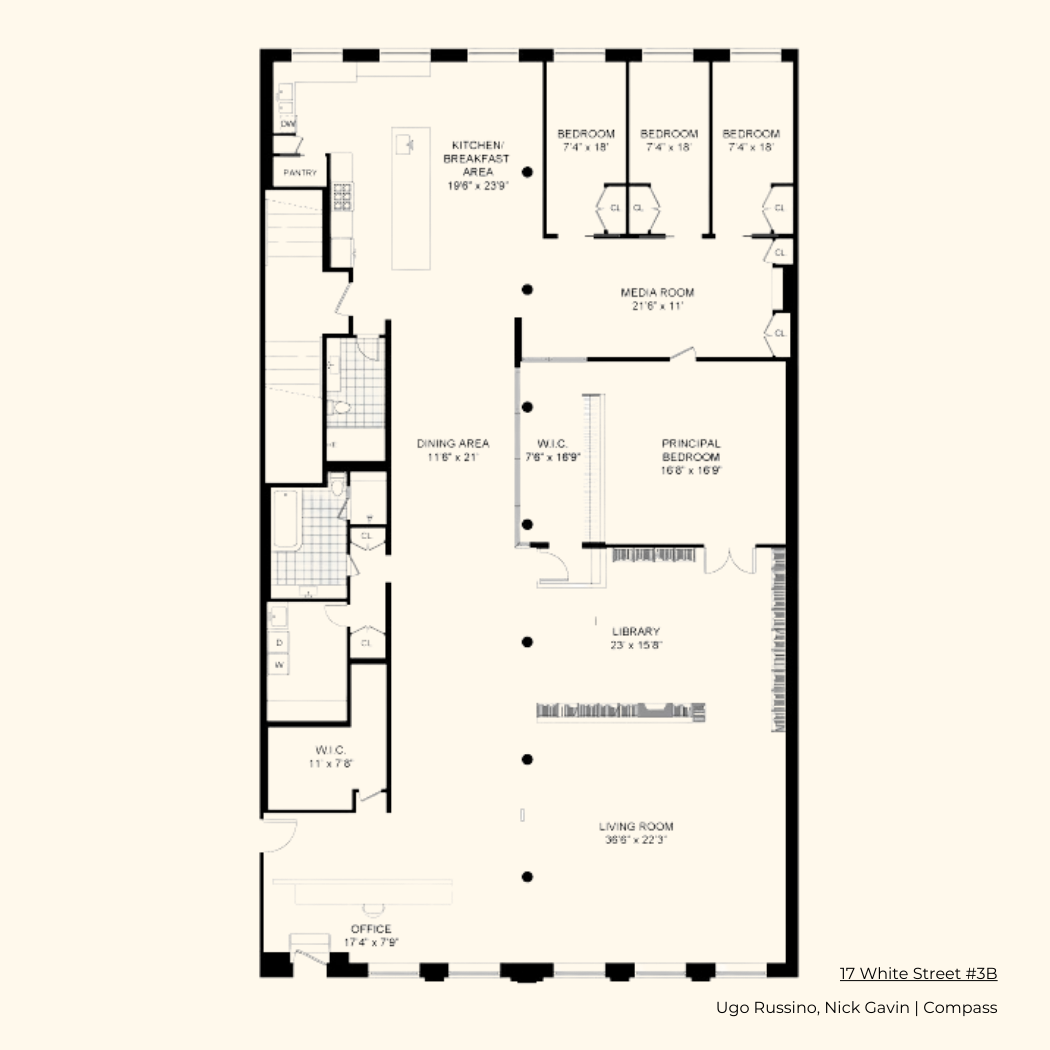
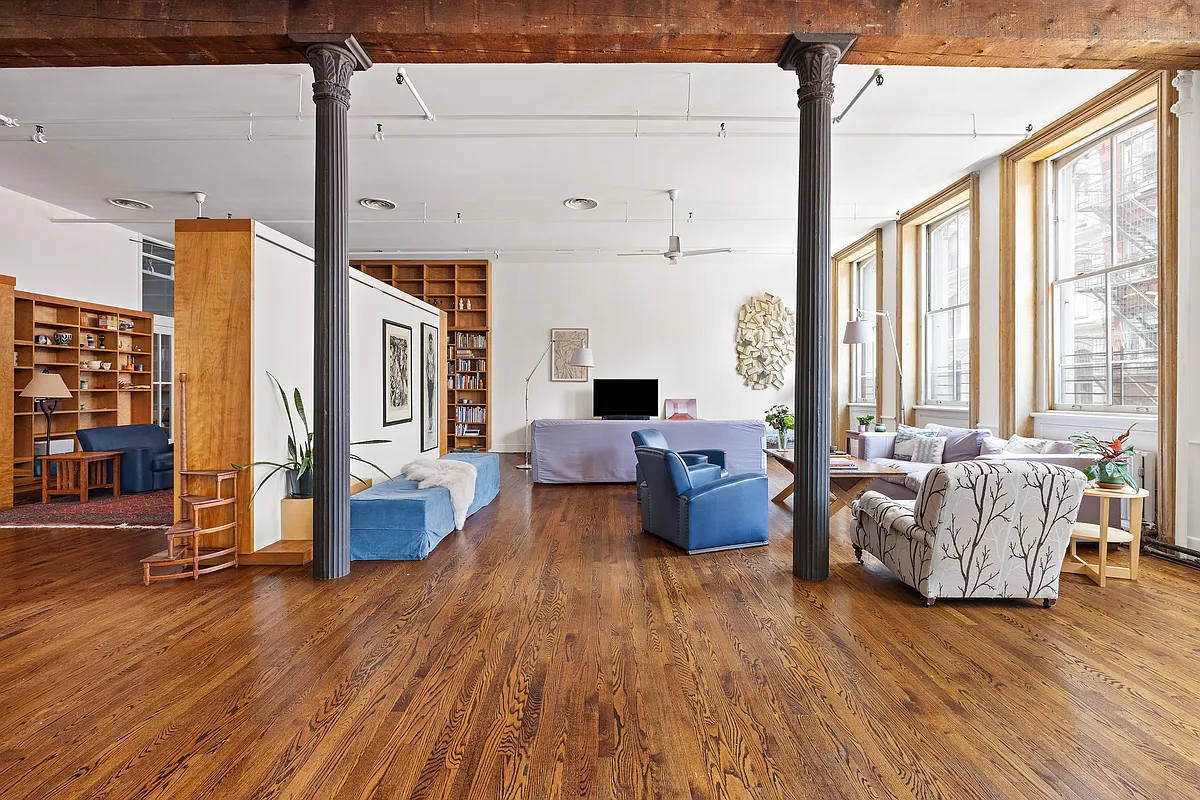
Born in former industrial buildings, lofts are known for open plans, tall ceilings, big factory windows, and exposed structure like brick, beams, and columns. Artists popularized them in SoHo and Tribeca before they became luxury living. Many buyers also see “soft lofts,” new builds that imitate it.

Classic Layout
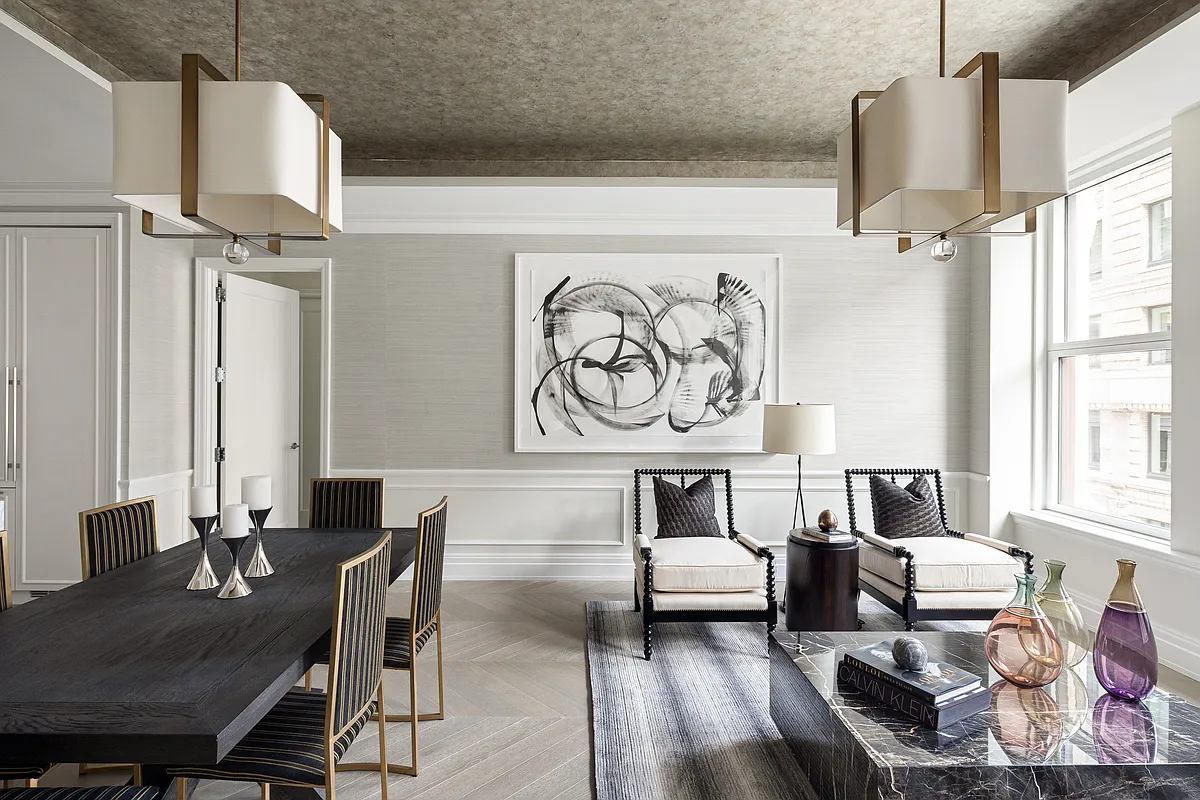
Defined zones for living and sleeping. You arrive to a clear sequence of entry, living and dining, with the kitchen set apart. Bedrooms gather down a hall with real doors for quiet. The structure makes daily life feel organized and gives natural places for work or guests.
Credit: Ugo Russino, Nick Gavin | Compass
How each one feels day to day
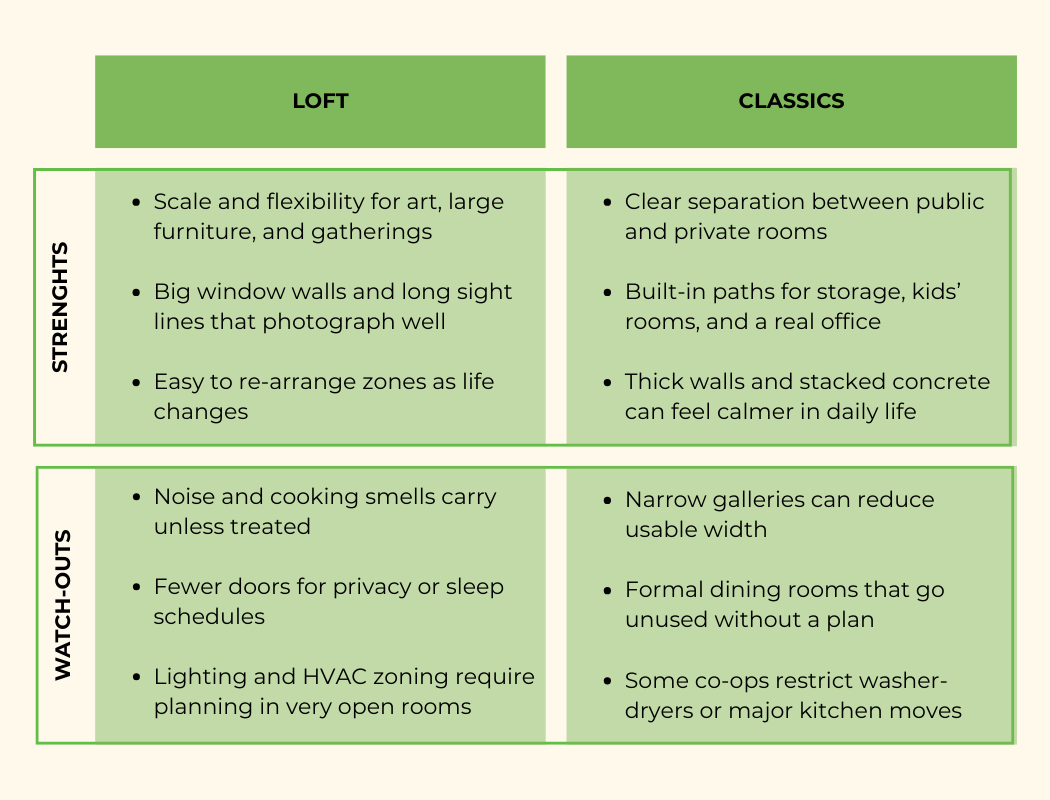
Lofts tend to feel airy thanks to ceiling height and large windows, especially on corner exposures. Classic layouts balance light with separation, so public rooms glow while bedrooms stay calmer. In both cases, floor and exposure matter as much as style.
Open plans carry sound. Cooking, calls, and TV travel easily across one space. Classic rooms and thicker prewar construction can soften noise and add privacy, which helps for households working or studying at home.
Columns and long wall runs in lofts make gallery walls and flexible zones easy. Classic layouts give you built-in places for a table, a sofa wall, and real closets. If you like defined spaces for sleep, work, and guests, that structure helps.
Lofts often place the kitchen in the main room, which is great for cooking and hosting in the same space. Classic layouts keep cooking separate, so noise and cleanup are contained. Decide how you actually live at dinner time.
Credit: Elena Sarkissian, Christopher Salierno, Kim Shepard | Douglas Elliman
Context that matters in Manhattan
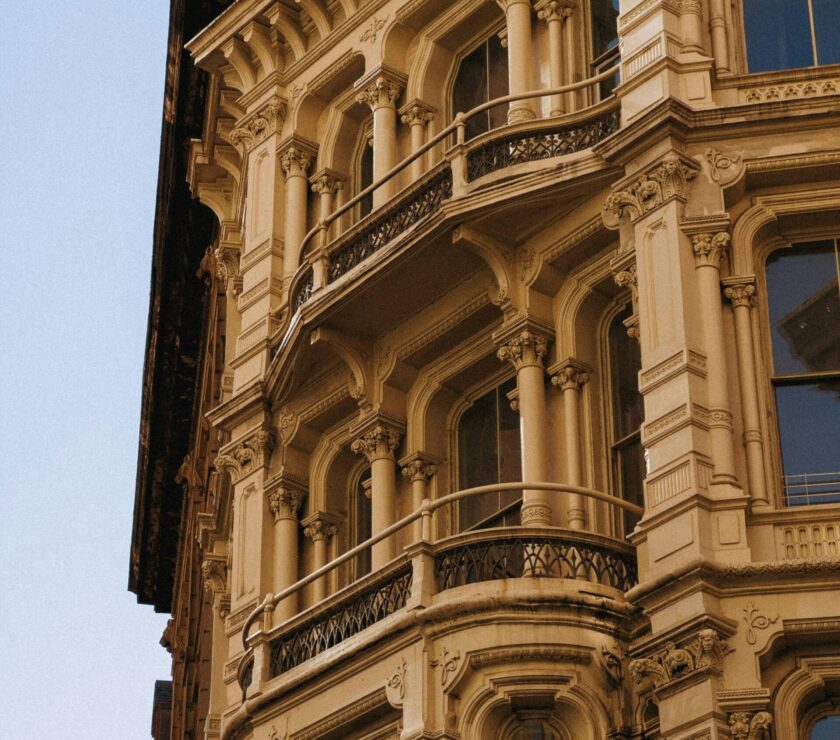
SoHo and parts of Tribeca are in landmarked cast-iron districts, which shaped the loft style and still influence exterior work today. That history is part of the appeal and also part of the rulebook for windows and facades.
Prewar co-ops with classic layouts may have fewer amenities than newer condos but can offer solid construction and gracious proportions. Later buildings vary widely, so look closely at what the HOA actually provides.
Open plans can hide mechanical routing challenges. Classic rooms can make central AC and wiring easier to organize by zone, but boards and landmarks may add steps to approvals. Ask your architect and managing agent early.
Bottom line
There is no universal winner. A loft gives freedom and drama. A classic layout gives order and calm. Pick the plan that matches your daily rhythm, and confirm it on the block, in the light, and with the building rules in hand.