August 21, 2025
Sidewalk sheds are not just a New York quirk. They are the visible result of Local Law 11 NYC, the city’s Façade Inspection and Safety Program. Buildings over six stories must have their exterior walls inspected every five years and file a technical report with the Department of Buildings. When a facade is flagged as unsafe, protection like a sidewalk shed must go up right away.
Here are five things buyers often forget to consider when apartment hunting in NYC, and why they matter more than you’d think.
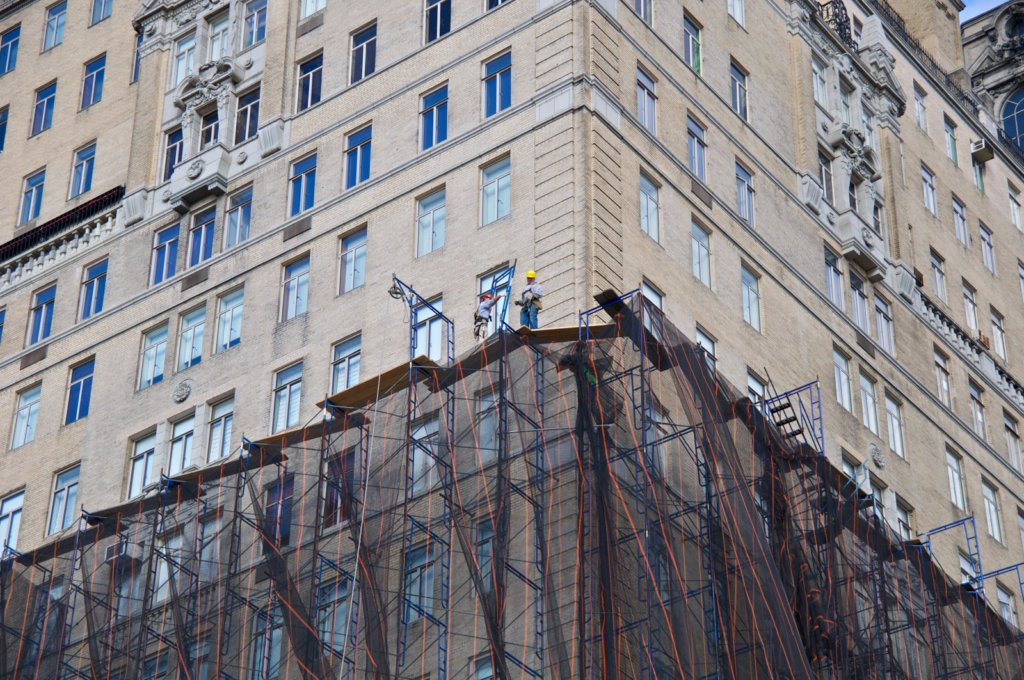
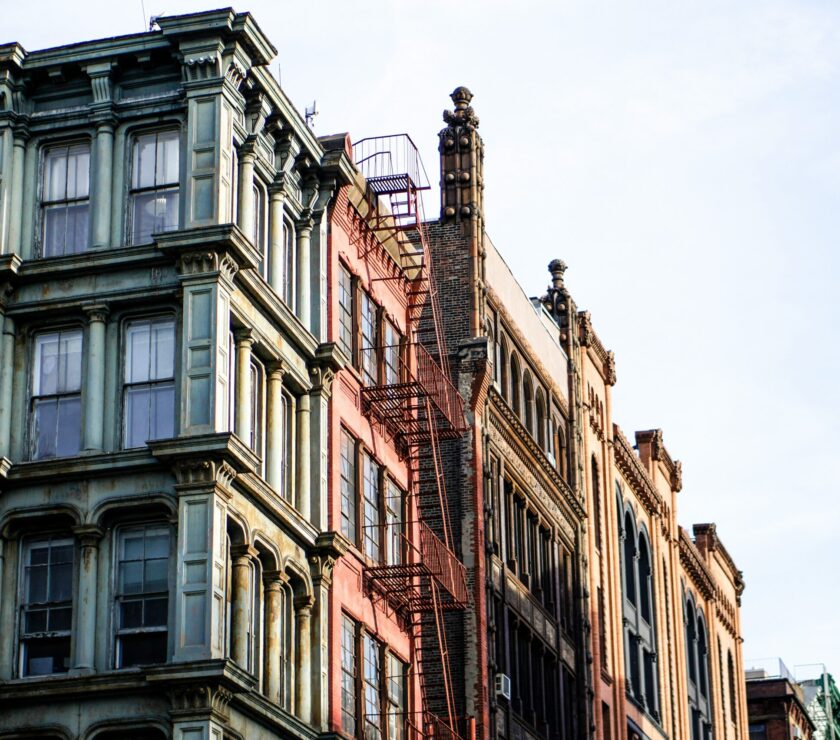
Credit: Brick Underground
What Local Law 11 NYC actually requires
Who
When
How
Buildings higher than six stories.
Every five years, on a fixed city cycle.
A Qualified Exterior Wall Inspector (QEWI), a licensed architect or engineer with specific facade experience, investigates and files the report through DOB NOW.
The three facade statuses you’ll hear about
Safe
SWARMP
Unsafe
No immediate action needed.
Stands for Safe With a Repair and Maintenance Program. In other words, Not hazardous today but must be repaired by the next cycle or it will be deemed Unsafe.
Hazards present. Protection and repairs must begin immediately.
Why this matters to a buyer
Timing and quality of life
Carrying costs
Resale signal
Sheds dim light at lower floors, affect street presence, and may bring weekday work noise.
Facade work can trigger assessments or higher common charges while repairs are underway.
A clean, recently filed Safe report is a confidence marker. A long-running shed with no clear schedule is a red flag to investigate, not an automatic deal-breaker.
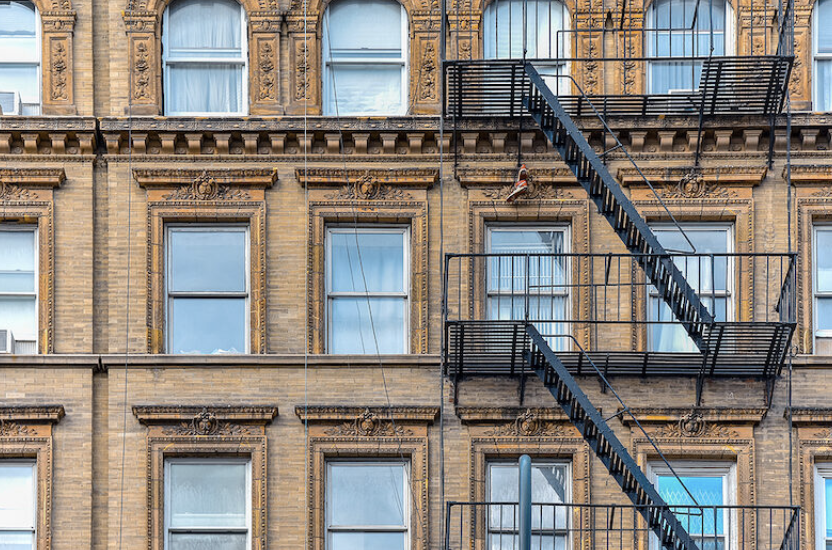
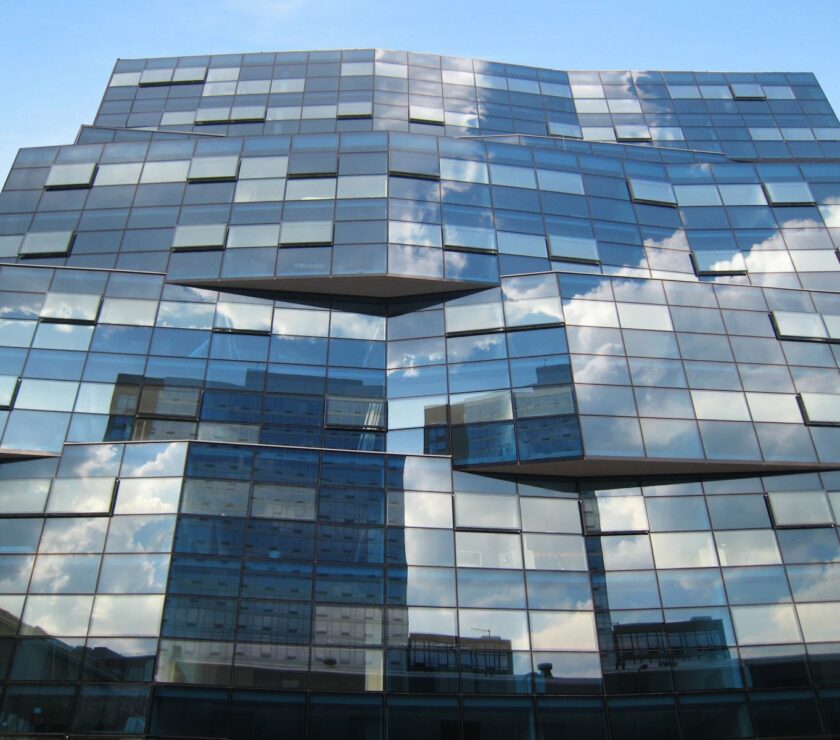
Credit: Forbes-Ergas Design
A faster path to fewer sheds
City policy is pushing owners to repair sooner and take sheds down faster. In 2025, NYC passed “Get Sheds Down” legislation that gives DOB new tools and deadlines to reduce lingering scaffolds and improve shed design. That can shorten timelines on visible protection once repairs are complete.
Due-diligence checklist for buyers
- The latest filed facade report and status, plus the engineer’s letter of recommended work and schedule.
- Open DOB or OATH violations tied to facade conditions, and any civil penalties or liens outstanding.
- Scope of work and bids already obtained, including whether the job is stabilization, targeted repair, or a full restoration.
- Financing plan: reserves on hand, approved assessments, or loans, and expected monthly impact.
- Permits and protection plan: current shed permit dates, projected take-down window, and access requirements.
- Historic approvals: if landmarked, confirm Landmarks sign-off and how that affects timeline.
- Contractor track record: facade contractor and QEWI experience on similar buildings.
What to look for, what it means, and how we can help
At a showing, note the exposure and floor since sidewalk sheds mostly affect the lowest levels, then check light and outlook from inside to see how the shed actually feels, and ask about in-unit protections during work such as window film, working hours, and staging plans. A shed that lingers can point to complex restoration, insurance or permit delays, or simply new inspection rules that require more close-up access. The signal to trust is paperwork: a clear scope, budget, timeline, and a target take-down date. In the Fantastic Four neighborhoods (Soho, Tribeca, Hudson Square, and the West Village) careful facade work preserves value and curb appeal for years, while poor planning adds cost and frustration. If you want a quick read on a specific building, send us the address and we will translate the filings into plain English.
Count On Us to help you through the process